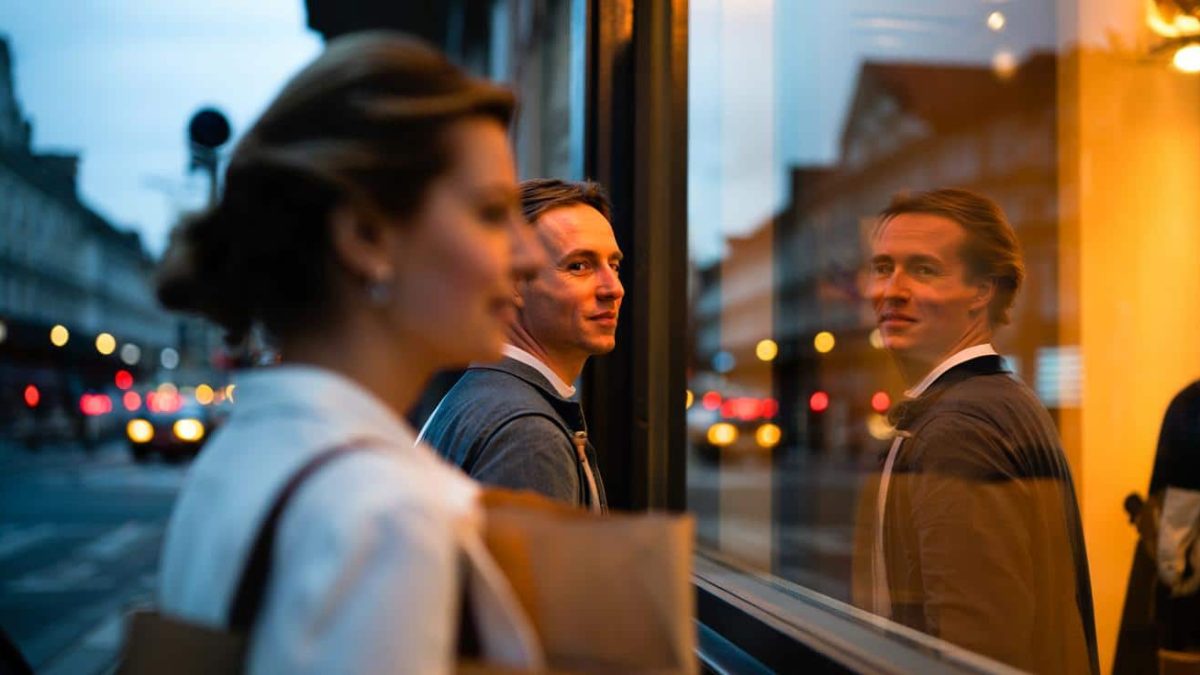
Have you ever caught a stranger’s eye on the street and exchanged a quick, polite smile, only to later wonder if you read too much into their expression? It’s a common experience – and one that reveals fascinating insights about human psychology and social dynamics.
Psychologists have long studied the complex nature of facial expressions, and how we interpret them in social situations. What may seem like a simple, friendly gesture to one person can be perceived very differently by another. In this article, we’ll explore the reasons behind this phenomenon and uncover what it says about our own biases and tendencies.
The Subtle Art of Interpreting Smiles
A smile is one of the most universal and recognizable human expressions. Yet, the meaning behind a stranger’s smile can be surprisingly difficult to decipher. “We tend to project our own expectations and assumptions onto a fleeting facial expression,” explains Dr. Emma Seppälä, a social psychologist and author. “Our interpretation is heavily influenced by our own emotional state, past experiences, and even cultural norms.”
For example, someone who is feeling lonely or craving social connection may be more likely to interpret a casual smile as a sign of warmth and invitation. Conversely, a person who is feeling anxious or distrustful may view the same smile as insincere or even threatening.
- ➡Das Geheimnis der riesigen Blätter in Ihrem Garten – Experten enthüllen die erstaunlichen Fakten!
- ➡Menschen, die gerne allein sind, besitzen oft diesen Charakterzug
- ➡Die vier Sternzeichen, die am härtesten auf dem Boden der Tatsachen bleiben
- ➡Größte Fehler beim Braten von Zwiebeln: Diese Zeitfalle gehst du ein!
Additionally, cultural differences play a significant role. “In some cultures, making direct eye contact and smiling at strangers is seen as overly familiar or even rude,” says Dr. Seppälä. “But in other societies, it’s a common way to acknowledge and connect with people in public.”
The Psychology of Assumptions
Our tendency to make assumptions about a stranger’s smile is deeply rooted in human psychology. “We’re wired to constantly scan our environment for social cues and try to quickly assess the intentions of those around us,” explains Dr. Tina Malti, a developmental psychologist. “This is an evolutionary adaptation that helps us navigate the complex social world.”
However, this tendency can also lead us astray. “When we see a smile, our brain automatically starts generating a narrative about the person’s motivations and feelings,” says Dr. Malti. “But often, we’re filling in the blanks with our own biases and preconceptions, rather than accurately reading the situation.”
This dynamic can be particularly pronounced in situations where we feel vulnerable or uncertain. “If we’re feeling insecure or self-conscious, we may be more likely to interpret a neutral or ambiguous smile as a judgment or rejection,” Dr. Malti adds. “Our own emotional state colors how we perceive the world around us.”
- ➡Wie ein leichter Stufenschnitt Volumen im Oberkopf zaubert – Die überraschende Wahrheit!
- ➡Das Erstaunliche Hausrezept, das dein Sofa wie Neu aussehen lässt (Jeder hat es in der Küche!)
- ➡Schockierende Wahrheit! Juckreiz auf der Kopfhaut kann mehr bedeuten als nur Schuppen
- ➡Nicht mehr nur Eiersalat: So bringt der Tomaten-Eier-Auflauf Frühlingsgefühle in Ihren Alltag
The Importance of Emotional Intelligence
Developing greater emotional intelligence and self-awareness can help us navigate the complex landscape of social interactions more effectively. “Being mindful of our own assumptions and biases is the first step,” says Dr. Seppälä. “Then, we can actively work on developing empathy and perspective-taking skills.”
This means consciously considering the other person’s possible motivations and experiences, rather than immediately jumping to conclusions. “If we see a stranger smile, we might ask ourselves: ‘What could be going on in their life that’s causing them to smile in this moment?’ or ‘How might their cultural background influence how they express themselves?'” Dr. Seppälä suggests.
By cultivating this kind of open-minded, curious mindset, we can become more adept at reading social cues accurately and responding appropriately. “It’s not about overthinking every interaction,” Dr. Malti notes. “It’s about developing a greater awareness of our own tendencies and biases, so we can interact with others more thoughtfully and empathetically.”
The Ripple Effects of Misinterpreted Smiles
The way we interpret a stranger’s smile can have far-reaching consequences, both for ourselves and for the broader social fabric. “If we consistently misread friendly gestures as threats or rejections, it can lead to a cycle of social withdrawal and mistrust,” explains Dr. Seppälä.
- ➡Die schockierende Wahrheit: So können Sie die Galette des Rois perfekt backen – wenn Sie diesen einen Schritt nicht vergessen!
- ➡Die schockierende Wahrheit: Wie falsches Verhalten unsere Gesundheit zerstört
- ➡Das schockierende Geheimnis unter deinem Bett – Du wirst nie wieder so schlampig saugen!
- ➡Können Katzen Alzheimer bekommen? Die verblüffende Wahrheit, die Tierhalter erschüttert
On the flip side, accurately recognizing and responding to genuine acts of kindness and connection can have a profoundly positive impact. “When we acknowledge and appreciate a stranger’s smile, it can create a ripple effect of positivity and social cohesion,” says Dr. Malti.
In a world that often feels polarized and disconnected, the simple act of smiling at a stranger and recognizing their humanity can be a powerful antidote. “It’s a reminder that we’re all in this together, and that small acts of kindness can go a long way,” Dr. Seppälä concludes.
Navigating the Complexities of Social Interaction
Ultimately, the way we interpret a stranger’s smile is a complex and highly personal process, shaped by our individual experiences, cultural backgrounds, and psychological tendencies. By becoming more aware of these dynamics, we can learn to approach social interactions with greater nuance, empathy, and understanding.
Whether it’s a brief exchange on the street or a chance encounter in a crowded café, each moment of connection is an opportunity to cultivate greater social awareness and emotional intelligence. By embracing the subtleties and complexities of human expression, we can build a more compassionate and connected world – one smile at a time.
- ➡Der unerwartete Zauber von Humor in der Erziehung: Wie Lachen Spannungen löst und Lernprozesse beflügelt
- ➡Darmdichtheit: Was deine Ausscheidungen dir täglich über deinen Gesundheitszustand verraten – und wann du unbedingt zum Arzt solltest
- ➡Chinas Superträger droht zum Danaergeschenk zu werden – Die schockierende Wahrheit über das Prestigeprojekt der Kommunistischen Partei
- ➡Der überraschende Balance-Trick, der Ihre Stabilität verbessern kann
Practical Tips for Interpreting Smiles
Here are some practical tips to help you navigate the complexities of interpreting a stranger’s smile:
| Tip | Explanation |
|---|---|
| Observe the full expression | Look for subtle cues like eye contact, head tilt, and overall body language to get a more complete picture of the person’s emotional state. |
| Consider the context | Where are you, what’s happening around you, and how might that influence the person’s behavior? |
| Check your own biases | Reflect on your own emotional state, assumptions, and cultural background, and how those might be shaping your interpretation. |
| Err on the side of positivity | Unless there are clear signs of insincerity or discomfort, it’s generally best to assume the smile is a genuine gesture of kindness or connection. |
“A smile is the universal language of kindness.” – William Arthur Ward
By approaching social interactions with an open mind and a willingness to see the best in others, we can create a more harmonious and connected world – one smile at a time.
- ➡Erschreckende Neuigkeit: Städte verbieten jetzt sichtbare Regenwassertanks im Garten! Hohe Strafen drohen
- ➡Der versteckte Grund, warum Sie unbedingt den Impfpass Ihres Haustieres finden müssen!
- ➡Schockierende Enthüllung: Wie viele Tassen Kaffee pro Tag wirklich gut für Ihr Gehirn sind!
- ➡Regain Control: Deleting Your Google History and Truly Securing Your Account
The Power of Reciprocity
When we receive a friendly smile from a stranger, it’s natural to want to respond in kind. This impulse toward reciprocity is a fundamental aspect of human social behavior, and it can have far-reaching consequences.
“Returning a smile is a powerful way to acknowledge the other person’s gesture and build a sense of mutual understanding,” explains Dr. Seppälä. “It’s a simple act that can create a positive feedback loop, fostering a greater sense of connection and community.”
However, it’s important to be mindful of our own emotional state and biases when responding to a stranger’s smile. “If we’re feeling anxious or insecure, we may be less inclined to return the smile, or we may do so in a way that comes across as forced or uncomfortable,” says Dr. Malti.
“The most beautiful thing we can experience is the mysterious. It is the source of all true art and all science.” – Albert Einstein
Also Read
- ➡Goldrausch in China: Das größte Goldvorkommen aller Zeiten enthüllt!
- ➡Ihre Rückenschmerzen haben einen geheimen Grund – und der Orthopäde weiß es!
- ➡Schockierende Enthüllung: Die amerikanische Unabhängigkeitserklärung könnte von KI geschrieben sein!
- ➡Du wirst nicht glauben, wie schnell dieser Baum wächst – und was Gärtner davor warnt
By recognizing and addressing these internal barriers, we can cultivate a more open and receptive attitude toward the social cues we encounter every day. “When we’re able to respond to a stranger’s smile with genuine warmth and reciprocity, it can be a powerful act of connection that benefits both parties,” Dr. Seppälä concludes.
The Art of Mindful Observation
Ultimately, the key to accurately interpreting a stranger’s smile lies in developing a mindful, observant approach to social interactions. This means being present in the moment, attuned to the nuances of facial expressions and body language, and open to the perspectives and experiences of those around us.
“It’s not about overthinking every interaction or trying to analyze every smile,” says Dr. Malti. “It’s about cultivating a curious, empathetic mindset that allows us to engage with others in a more thoughtful and meaningful way.”
By practicing this kind of mindful observation, we can not only improve our ability to interpret social cues accurately, but also enhance our overall emotional intelligence and social awareness. “When we approach the world with a spirit of openness and curiosity, we open ourselves up to a richer, more fulfilling human experience,” Dr. Seppälä adds.
- ➡Diese unscheinbaren Gartenpflanzen sind ein Magnet für Zecken – Vermeiden Sie diese Fallen!
- ➡Das Geheimnis der Insektenmagneten: Wie Sie Ihren Garten zum Summen bringen
- ➡Überraschender Trick: So stoppen Sie Schnecken für immer im Garten!
- ➡Heizen Sie Ihre Wohnung auf diese Temperatur, um Schimmel zu vermeiden – Leider sagen das die wenigsten!
Embracing the Mysteries of Human Connection
At the end of the day, the complexities of interpreting a stranger’s smile remind us of the profound mysteries that lie at the heart of human connection. Each fleeting moment of social interaction is a unique and multifaceted experience, shaped by a myriad of factors beyond our control.
But by cultivating a greater awareness of our own biases and tendencies, and a deeper appreciation for the diverse perspectives and experiences of others, we can navigate these complexities with more empathy, understanding, and grace. “It’s about embracing the subtle, ever-evolving dance of human expression, and finding the beauty and wonder in each and every interaction,” Dr. Malti concludes.
FAQ
Why do we tend to misinterpret strangers’ smiles?
There are several psychological and social factors that contribute to our tendency to misinterpret strangers’ smiles, including our own emotional state, past experiences, cultural norms, and cognitive biases. We often project our own assumptions and expectations onto fleeting social cues.
How can we become better at reading social cues and interpreting smiles accurately?
Developing greater emotional intelligence, self-awareness, and a curious, empathetic mindset can help us navigate the complexities of interpreting social cues more effectively. Actively considering the other person’s perspective, observing the full range of their facial expressions and body language, and checking our own biases can all improve our ability to read social situations accurately.
- ➡Schockierender Fund: 8-Zentimeter-Larve im Gehirn einer Australierin entdeckt!
- ➡Mit diesem erstaunlichen Trick können Sie Ihre Trainingsleistung um 20% verbessern!
- ➡Das Geheimnis, warum du bei Dates immer den ersten Schritt machst (und wie du das änderst)
- ➡Schockierende Listerien-Kontamination: Beliebte Wurst aus Frankreich zurückgerufen!
What are the benefits of accurately interpreting a stranger’s smile?
Accurately recognizing and responding to genuine acts of kindness and connection can create a positive feedback loop, fostering a greater sense of social cohesion and community. It can also help us avoid a cycle of social withdrawal and mistrust that can arise from consistently misreading friendly gestures as threats or rejections.
How can we cultivate a more open and receptive attitude toward strangers’ smiles?
By practicing mindful observation, addressing our own emotional barriers and biases, and approaching social interactions with a spirit of curiosity and empathy, we can become more adept at accurately interpreting and responding to strangers’ smiles. This can help us build a more harmonious and connected world.
What is the role of reciprocity in interpreting and responding to strangers’ smiles?
Reciprocating a friendly smile is a powerful way to acknowledge the other person’s gesture and foster a sense of mutual understanding. However, it’s important to be mindful of our own emotional state and biases when responding, as these can influence how we engage with others.
How can we embrace the mysteries of human connection and social interaction?
By cultivating a greater awareness of our own tendencies and biases, and a deeper appreciation for the diverse perspectives and experiences of others, we can navigate the complexities of human connection with more empathy, understanding, and grace. Embracing the subtle, ever-evolving dance of human expression can help us find the beauty and wonder in each and every interaction.
- ➡Ist Fleischverzicht wirklich so gesund? Die unerwarteten Erkenntnisse der Medizin-Geschichte
- ➡Pakistans geheimes Wettrüsten auf See: 50 neue Kriegsschiffe erschrecken Indien
- ➡Dieser schockierende Trick mit einem feuchten Tuch wird Ihre Pflanzen wieder zum Strahlen bringen!
- ➡Farewell to These Everyday Accessories Filled with Eternal Chemicals: The EU Pulls the Plug
What are the practical tips for accurately interpreting strangers’ smiles?
Some practical tips include observing the full range of the person’s facial expression and body language, considering the context of the interaction, checking our own biases and assumptions, and erring on the side of positivity when interpreting a friendly gesture.
How can interpreting strangers’ smiles help build a more connected world?
By approaching social interactions with an open and empathetic mindset, and recognizing the power of small acts of kindness and connection, we can contribute to a more harmonious and cohesive social fabric. Accurately interpreting and responding to strangers’ smiles can create a positive ripple effect that fosters greater understanding and community.