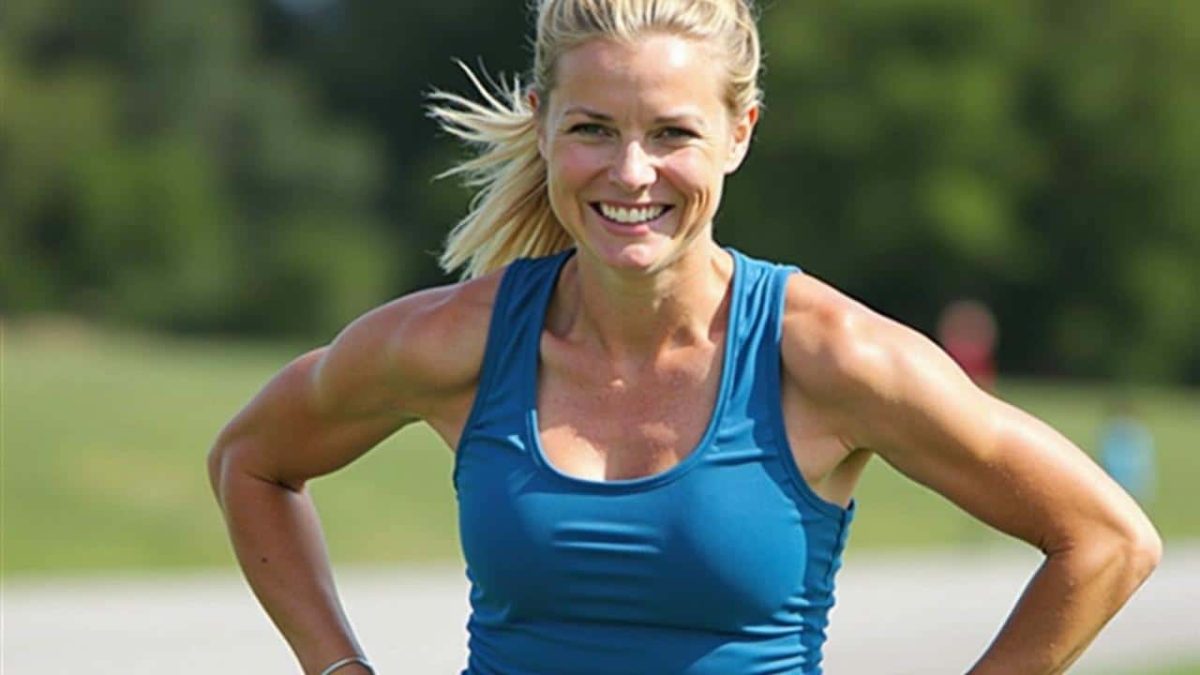
Silently, a woman in her late 50s gently pushes her water bottle a little further away as the trainer counts the reps aloud in front. This discreet maneuver hints at a subtle shift in the logic of sports training for older adults. The traditional approach of either pure strength or pure endurance is giving way to a more balanced approach that combines both elements.
What’s driving this change, and how can the right mix of strength and endurance benefit those over 55? Let’s take a closer look at the evolving world of sports for the 55+ crowd.
Addressing the Unique Needs of the 55+ Athlete
As we age, our bodies undergo inevitable changes. Muscle mass gradually decreases, joint mobility can become more limited, and cardiovascular fitness may decline. These physiological shifts require a more tailored approach to physical activity. Trainers working with the 55+ demographic have recognized that a one-size-fits-all routine is no longer adequate.
Instead, they are recommending a blend of strength and endurance training to address the specific needs of older adults. This balanced approach helps maintain muscle tone, improve flexibility, and sustain overall fitness levels—all critical factors for active aging.
- ➡Warum Sie Ihr Zeitgefühl verlieren und wie Sie es zurückgewinnen können
- ➡Erstaunlicher Brot-Hack: Mit dieser Gemüsehälfte hältst du dein Brot eine Woche lang frisch!
- ➡Why Many Germans Are Discovering Georgia – Wine, Mountains, Stories That Last Longer Than an Evening
- ➡Überraschen Sie Ihren Balkon mit diesen 7 Schattenpflanzen, die für ein ganzes Sommerfest reichen!
By incorporating both strength and endurance elements, trainers can create workout regimens that cater to the unique challenges faced by this demographic, from joint health to stamina.
The Power of Combining Strength and Endurance
The rationale behind the recommended combination of strength and endurance training is rooted in the complementary benefits they provide. Strength training helps build and maintain muscle mass, which is crucial for preserving independence and mobility as we age. Meanwhile, endurance exercises like brisk walking, swimming, or cycling improve cardiovascular fitness, enhancing overall stamina and energy levels.
When these two elements are combined, the synergistic effects can be remarkable. Improved muscle strength supports better joint function and reduced risk of falls, while enhanced endurance enables older adults to engage in more physically demanding activities with greater ease and confidence.
Moreover, this dual approach can have a positive impact on mental well-being. The sense of accomplishment and improved physical capabilities can boost self-esteem and overall mood, fostering a more active and engaged lifestyle.
- ➡Die Magie des schwedischen Herbstes: Warum Deutsche dieses Farbenspiel lieben
- ➡Das unglaubliche Gemüse-Geheimnis: Wie Bauern ohne Chemie jetzt mehr Nährstoffe ernten können
- ➡Mutter beendet 40-jährige Suche nach Anerkennung ihrer Kinder – und findet unerwartete Freiheit
- ➡Mit 65 wieder fit werden: Der einfache Trainingsplan für einen sicheren Neustart
Designing the Perfect Workout Routine
Crafting the ideal workout routine for the 55+ crowd requires a delicate balance. Trainers must consider factors such as individual fitness levels, any existing health conditions, and personal goals. The key is to create a program that gradually increases in intensity and complexity, allowing for a safe and sustainable progression.
| Strength Training | Endurance Training |
|---|---|
|
|
By striking the right balance between strength and endurance, trainers can help older adults build a solid foundation for an active and independent lifestyle. The key is to start slow, celebrate small victories, and gradually progress to more challenging routines.
The Benefits of an Active 55+ Lifestyle
The rewards of embracing a balanced fitness routine go beyond physical health. Regular exercise can have a profound impact on various aspects of life for those over 55.
- ➡Der unglaublich einfache Trick, um Kalk aus dem Wasserkocher zu entfernen – ohne Essig oder Seife!
- ➡Weder Nivea noch Neutrogena: Die beste Feuchtigkeitscreme laut aktueller Expertenstudie
- ➡Diese 3 ADHS-Gehirne verraten mehr, als du je dachtest
- ➡Das Ende des Schreibens? Wie Generation Z eine 5.500 Jahre alte Kunst verlernt
“Maintaining both strength and endurance is crucial for older adults to preserve their independence and quality of life. It helps them stay mobile, active, and engaged in their daily routines.” – Dr. Maria Schulz, Exercise Physiologist
Improved muscle strength and cardiovascular fitness can translate to better overall mobility, making it easier to perform everyday tasks like climbing stairs, carrying groceries, or gardening. Additionally, the mental and social benefits of an active lifestyle cannot be overstated.
“Exercise not only keeps the body in shape, but it also has a profound impact on mental well-being. Older adults who stay active report higher levels of self-confidence, better mood, and a greater sense of social connectedness.” – Sarah Müller, Registered Dietitian and Wellness Coach
By combining strength and endurance training, older adults can enjoy a multitude of advantages, from improved physical function to enhanced emotional and social well-being.
- ➡Der Schlüssel zu finanziellem Wohlstand: Wie Dividenden-Aristokraten Ihren Wohlstand aufbauen können
- ➡Warum viele Restaurants ihre Pommes mit Zuckerwasser behandeln
- ➡Das Geheimnis der einen Frage, die jedes Gespräch revolutioniert
- ➡Ihre Rückenschmerzen haben einen geheimen Grund – und der Orthopäde weiß es!
Overcoming Barriers and Staying Motivated
Despite the clear benefits of a balanced fitness routine, some older adults may face barriers to consistent exercise. Common challenges include lack of confidence, health concerns, or simply a lack of motivation.
Trainers play a crucial role in helping their 55+ clients overcome these hurdles. By providing a supportive and encouraging environment, tailoring programs to individual needs, and celebrating small victories, they can foster a sense of empowerment and self-efficacy.
“The key is to start slow, focus on progress over perfection, and find activities that the client genuinely enjoys. This helps build sustainable habits and a positive mindset around exercise.” – Jürgen Schneider, Personal Trainer specializing in 55+ clients
Ultimately, the journey to an active 55+ lifestyle is one of patience, persistence, and a willingness to adapt. With the right guidance and a balanced approach to fitness, older adults can unlock a world of physical, mental, and social benefits that enhance their overall quality of life.
- ➡Vergiss trockenes, kraftloses Haar! Diese 8 Shampoos verleihen sofort mehr Fülle und Volumen
- ➡Die ultimative Feuchtigkeits-Strategie: Wie Sie Ihre Haut natürlich zum Strahlen bringen
- ➡Bist du Team Backofen oder Team Airfryer? Die überraschende Wahrheit über deinen Stromverbrauch in der Küche
- ➡Die Geheimwaffe zur Wiederbelebung glanzvoller Böden – Großmutters Weisheit ist zeitlos
FAQs: Embracing an Active Lifestyle After 55
How often should I strength train and do endurance activities?
Trainers typically recommend a combination of 2-3 strength training sessions and 3-4 endurance workouts per week, with rest days in between. The specific frequency and duration can be adjusted based on individual fitness levels and goals.
What are some good strength training exercises for older adults?
Exercises that focus on major muscle groups, such as bodyweight squats, lunges, push-ups, and resistance band rows, are excellent choices. It’s important to start with light weights or bodyweight and gradually increase the intensity over time.
How can I stay motivated to exercise regularly?
Finding activities you enjoy, setting achievable goals, and celebrating small victories can help maintain motivation. Joining a group fitness class or working with a personal trainer can also provide the support and accountability needed to stay on track.
Are there any safety precautions I should consider?
Always consult with your healthcare provider before starting a new exercise routine, especially if you have any existing health conditions. It’s also important to listen to your body, start slowly, and gradually increase the intensity to avoid injury.
- ➡Das Überraschende, was Mütter und Kinder beim Spielen teilen – sogar in einer Fremdsprache!
- ➡Schockierend! Wenn Sie diese 3 Dinge jetzt tun, entrinnen Sie Bettwanzen für immer
- ➡Die versteckten Schrecken der Klimakatastrophe: Wie Tuvalu um sein Überleben kämpft
- ➡Wie Sportmediziner ihre Gelenke schützen und pflegen
How long does it take to see results from a balanced fitness program?
The timeline for seeing results can vary, but most people start to notice improvements in strength, endurance, and overall well-being within 4-8 weeks of consistent exercise. Patience and persistence are key to achieving long-term benefits.
Can I still be active if I have joint issues or mobility limitations?
Absolutely! Trainers can modify exercises and recommend low-impact activities to accommodate joint and mobility concerns. The goal is to find ways to stay active that are safe and comfortable for your individual needs.
How can I involve my family and friends in my fitness journey?
Inviting loved ones to join you in activities like walking, swimming, or group fitness classes can make exercise more enjoyable and provide a sense of community. Sharing your progress and celebrating each other’s achievements can also foster support and motivation.
What if I’ve never exercised before?
It’s never too late to start! Begin with gentle, low-intensity activities and work with a trainer to develop a personalized program. The key is to start small, be patient with yourself, and gradually build up your fitness level over time.