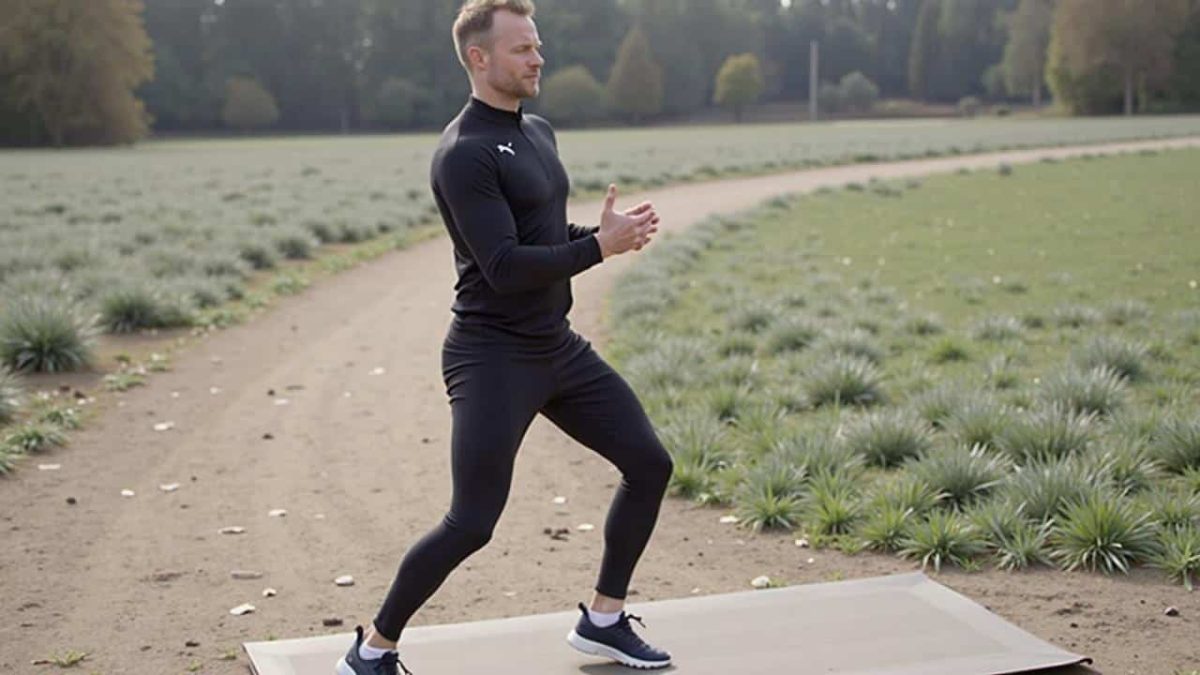
Staying active and fit after 50 is a challenge many people face, but it’s also an opportunity to discover new ways to care for your body. As we age, flexibility becomes increasingly important, and many trainers now recommend focusing on improving mobility before diving into more intense workouts.
For Sabine, a 56-year-old former marathon runner who is now a physiotherapist, guiding a group of ten people over 50 through a flexibility-focused class is a weekly routine. She understands firsthand the crucial role that mobility plays in maintaining an active lifestyle as we get older.
Warum Beweglichkeit mit 50 plötzlich zur Hauptrolle wird
As we age, our bodies undergo natural changes that can impact our flexibility and range of motion. The cartilage in our joints may start to wear down, muscles and tendons can become less elastic, and our posture may become more hunched over time. These factors can lead to stiffness, pain, and a reduced ability to perform everyday tasks and physical activities.
For many people over 50, focusing on improving flexibility can be a game-changer. By targeting muscle groups and joint mobility, they can regain the freedom of movement they may have taken for granted in their younger years. This not only makes physical activity more comfortable and enjoyable but also reduces the risk of injury and helps maintain independence.
- ➡Diese Gartenpflanzen ziehen giftige Schlangen an – das müssen Sie wissen!
- ➡Die schockierende Wahrheit hinter Telefonwerbung: Eine Ex-Callcenter-Mitarbeiterin packt aus!
- ➡Aus Alt mach Neu: Wie eine Decke aus Babykleidung deine Familie zusammenbringt
- ➡Diese einfache Übung stärkt die Muskulatur rund um das Sprunggelenk
Sabine emphasizes the importance of this shift in focus: “It’s not about pushing yourself to the limit or training like a pro. It’s about finding a sustainable, enjoyable way to stay active and mobile as you get older.”
Wie ein sinnvoller Einstieg in mehr Beweglichkeit aussehen kann
Introducing more flexibility-focused exercises into your routine doesn’t have to be overwhelming. Sabine recommends starting with simple stretches and mobility drills that target the major muscle groups and joints. This could include exercises like shoulder rolls, hip circles, and ankle rotations.
It’s also important to be patient and consistent with your practice. Improving flexibility takes time, and it’s crucial to listen to your body and not push too hard. Sabine advises her clients to focus on their breathing and to approach each exercise with a sense of mindfulness and self-care.
Beyond the physical benefits, Sabine has observed that her clients often experience a boost in mental well-being and confidence as they regain their mobility. “When people feel more comfortable and capable in their bodies, it can have a ripple effect on their overall outlook and quality of life,” she says.
- ➡Enthüllt: Die Vermögen dieser 3 Unternehmerfamilien sind Deutschlands bestes Geheimnis
- ➡Krafttraining nach 50: Warum Frauen in dieser Lebensphase mehr Muskeln aufbauen können als je zuvor und wie es genau funktioniert
- ➡Schockierende Enthüllung: 100.000 Volkswagen Elektroautos in Gefahr – Muss Konzern Millionen zurückrufen?
- ➡Wie künstliche Intelligenz die Mathematik revolutioniert – Entdeckungen, die niemand für möglich hielt
Was sich verändert, wenn Beweglichkeit zur Priorität wird
As people shift their focus to improving flexibility, they may notice several positive changes in their lives. One of the most significant is an increased ability to perform daily tasks with ease, such as bending down to tie their shoes, reaching for items on high shelves, or getting in and out of the car.
| Benefit | Description |
|---|---|
| Reduced Pain and Discomfort | Improved flexibility can alleviate joint and muscle pain, making physical activity more comfortable and enjoyable. |
| Better Posture and Balance | Increased mobility in the spine, hips, and ankles can help improve posture and balance, reducing the risk of falls and injuries. |
| Enhanced Overall Fitness | As flexibility improves, it becomes easier to engage in a wider range of physical activities, leading to better overall fitness and well-being. |
For many people over 50, prioritizing flexibility can also have a positive impact on their mental health. By regaining a sense of physical capability and independence, they may experience a boost in self-confidence and a renewed enthusiasm for an active lifestyle.
“When people feel more comfortable and capable in their bodies, it can have a ripple effect on their overall outlook and quality of life.” – Sabine, Physiotherapist
Also Read
- ➡Finden Sie Ihre innere Ruhe: Die 5 besten ASMR-Kanäle auf YouTube für stressfreies Wohlbefinden
- ➡Warum die Geräusche plötzlich lauter werden und was du dagegen tun kannst
- ➡Haben Sie eine glitschige, moosige Terrasse? Diese 35-Cent-Lösung bringt sie in nur 1 Stunde zum Strahlen!
- ➡Die überraschende Wahrheit über wie oft nach 60 duschen
Warum ein ganzheitlicher Ansatz wichtig ist
While improving flexibility is a crucial first step, Sabine emphasizes the importance of taking a holistic approach to fitness and wellness after 50. This may include incorporating strength training, balance exercises, and cardiovascular activities in addition to flexibility work.
By addressing multiple aspects of physical health, older adults can build a well-rounded foundation that supports an active and independent lifestyle. Sabine encourages her clients to explore different types of exercise and find activities they genuinely enjoy, as this is the key to long-term adherence and sustainable progress.
“It’s not about pushing yourself to the limit or training like a pro. It’s about finding a sustainable, enjoyable way to stay active and mobile as you get older.” – Sabine, Physiotherapist
Der Schlüssel liegt in Geduld und Kontinuität
Improving flexibility and overall fitness after 50 is a journey, and it requires patience, consistency, and a willingness to embrace the process. Sabine encourages her clients to celebrate small victories and to focus on the long-term benefits rather than expecting immediate results.
- ➡Das schockierende Geheimnis, das Drachen im September erwartet – Du wirst es nicht glauben!
- ➡Die erstaunliche Rückkehr der Natur: Wie “Rewilding” unser Leben verändert
- ➡Warum Müdigkeit trotz Schlaf ein Alarmzeichen für Bewegungsmangel sein kann – und diese Mini-Workouts bringen den Akku wieder auf Touren
- ➡Eine überraschende Tanzübung, die laut Trainern Koordination und Balance verbessert
By building a routine that includes regular flexibility exercises, strength training, and other physical activities, older adults can gradually regain their mobility and maintain an active lifestyle well into their golden years. Sabine’s clients often report feeling more confident, independent, and energized as they experience the positive changes in their bodies and minds.
As Sabine says, “It’s not about becoming a fitness superstar. It’s about reclaiming your ability to move freely and confidently, and to enjoy the simple pleasures of an active life.”
Experten-Tipps für einen gelungenen Start
“The key is to start slowly and focus on proper form. Gradually increase the intensity and duration of your flexibility exercises as your body adapts.” – Julia Müller, Bewegungstherapeutin
“Incorporating mindfulness and breath work into your flexibility routine can help you stay present and connected to your body.” – Dr. Tobias Weber, Sportwissenschaftler
Also Read
- ➡Trauernde aufgepasst: Das neue Witwenrenten-System revolutioniert 2026 alles!
- ➡Entdecke die versteckten Schätze von Südtirols Märkten: Dein lokaler Reiseführer zu authentischen Leckereien!
- ➡Diese 7 Pflanzen kannst du im Oktober noch in deinen Garten bringen – und so wird’s garantiert ein Erfolg!
- ➡Schockierende Geheimnisse zum Kamin-Putzen: Diese 5 Fehler machen jeden Kamin zur Rußfalle!
“Don’t be afraid to seek guidance from a physiotherapist or personal trainer, especially if you have any existing injuries or limitations.” – Lisa Bauer, Fitnesstrainerin
Fazit: Beweglichkeit als Schlüssel zu mehr Lebensqualität
As we age, maintaining flexibility and mobility can be the key to an active, independent, and fulfilling lifestyle. By prioritizing flexibility-focused exercises and adopting a holistic approach to fitness, people over 50 can regain the freedom of movement they may have taken for granted in their younger years.
Through the guidance of experts like Sabine, older adults can discover the joy of rediscovering their physical capabilities and the confidence that comes with it. It’s a journey that requires patience and consistency, but the rewards are well worth the effort.
So if you’re over 50 and looking to stay active and healthy, consider making flexibility your new priority. Your body, and your quality of life, will thank you.
- ➡Die überraschenden Vorteile deiner Abendgewohnheiten – ein Schlüssel zu weniger Stress!
- ➡Staunen Sie: Diese 7 Lebensmittel sind der Schlüssel zu Ihrer Gesundheit!
- ➡Die 5 Schlüssel zur Maximierung deiner Rente – Senioren müssen diese Forderungen unbedingt stellen!
- ➡Der Geheimherd der Küche: Warum dein Spülschwamm wahrscheinlich schmutziger ist als die Toilette
Frequently Asked Questions
How often should I do flexibility exercises?
Aim for at least 2-3 flexibility sessions per week, but listen to your body and adjust as needed. Consistency is key, so focus on building a regular routine that works for you.
What are some good flexibility exercises for beginners?
Start with gentle stretches for the major muscle groups, such as shoulder rolls, hip circles, and calf stretches. Gradually work your way up to more challenging exercises like forward folds and deep hip openers.
Do I need special equipment for flexibility training?
No, you can get started with just your body weight. However, a yoga mat, resistance bands, or foam roller can be helpful tools to support your flexibility practice.
How can I stay motivated to keep up with my flexibility routine?
Find activities you genuinely enjoy, whether it’s a group class or a solo practice. Celebrate small victories, and don’t be afraid to mix up your routine to keep it interesting.
- ➡Schock-Enthüllung: Frankreich lockt Griechenland mit 3 Hightech-Fregatten und Werft-Deal für 20 Jahre
- ➡Schockreport: Dein Konto frisst dein Geld – so weckst du es auf!
- ➡Entdecken Sie das erstaunliche Potenzial eines einzigen Tropfens Spülmittel!
- ➡Die schockierende Wahrheit: Warum dein Trockner deine Wäsche langsam zerstört
What if I have an injury or chronic condition?
Consult a healthcare professional, such as a physiotherapist or exercise specialist, to develop a safe and effective flexibility program tailored to your needs.
Can flexibility training help with balance and stability?
Yes, improving your mobility can have a positive impact on your balance and stability, which becomes increasingly important as we age.
Is it ever too late to start working on my flexibility?
No, it’s never too late to start. With patience and consistency, people of all ages can experience the benefits of improved flexibility and mobility.
How can I incorporate flexibility into my daily routine?
Try adding short flexibility breaks throughout your day, such as taking a few minutes to stretch during work or incorporating mobility exercises into your morning or evening routine.
- ➡Warum Kritik dein Selbstbild erschüttert und was du daraus lernen kannst
- ➡Das schockierende Geheimnis hinter der Körpersprache – wie du die Wahrheit über deine Beziehungen herausfinden kannst
- ➡Das Geheimnis hinter den zitternden Lenkrädern – was Mechaniker darüber sagen
- ➡Die geheime 5-Minuten-Routine, die deine Autofahrt stressfrei macht