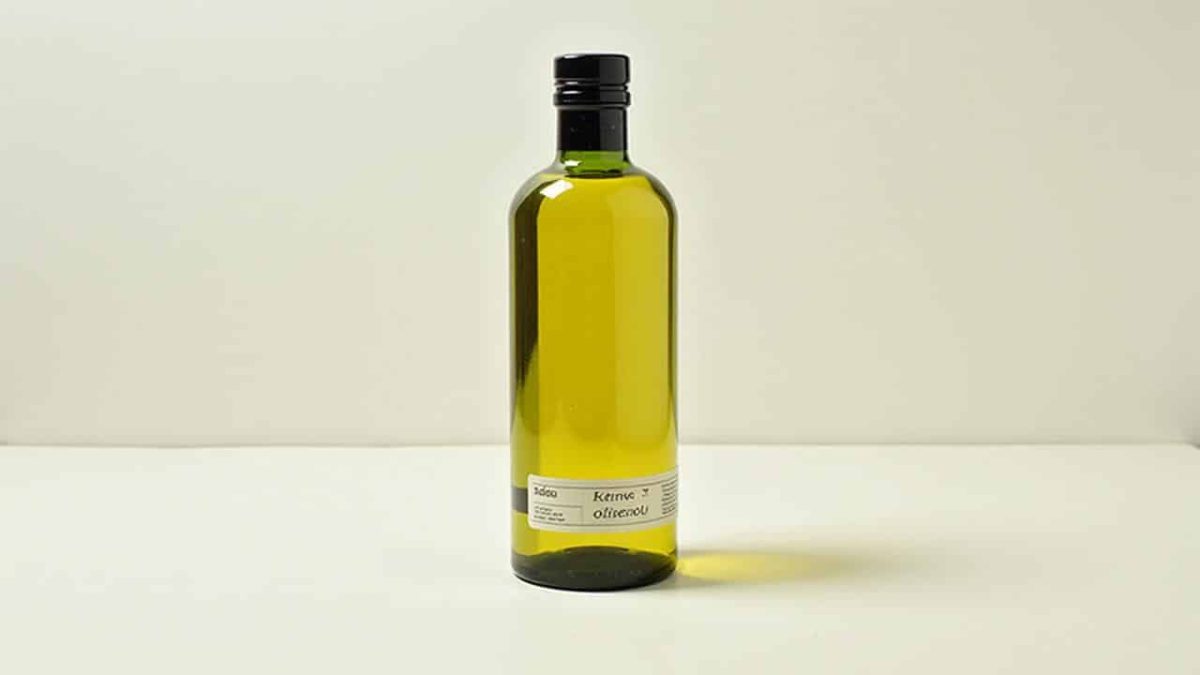
In recent years, olive oil has become almost a luxury product. Droughts, poor harvests, and higher production costs have driven up the price per liter. But there’s a surprising alternative that’s gaining ground: Rapsöl (rapeseed oil). This versatile and affordable oil is poised to become a staple in German households, offering a healthy and cost-effective solution for everyday cooking and baking.
As the price of olive oil soars, many are turning to Rapsöl as a practical replacement. This shift in consumer behavior is not just about saving money, but also about embracing a product that aligns with a healthier lifestyle. Rapsöl’s nutritional profile, with its high content of unsaturated fatty acids and vitamin E, makes it an appealing choice for those seeking to improve their overall well-being.
The Rise of Rapsöl: A Sustainable and Affordable Solution
Rapsöl’s increased popularity is not just a passing trend, but a reflection of the changing dynamics in the global oil market. As the supply of olive oil continues to be disrupted by environmental factors, Rapsöl has emerged as a reliable and accessible alternative. Its production process is more efficient, allowing for greater availability and more stable pricing.
Moreover, Rapsöl’s versatility makes it a practical choice for a wide range of culinary applications, from sautéing and baking to dressings and marinades. Its neutral flavor profile allows it to seamlessly integrate into various recipes, making it a versatile staple in the modern kitchen.
- ➡Schockierende Wahrheit: Diese Haarfarbe ist der neue Beauty-Trend für den Frühling!
- ➡Diese 6 Haarfarben sind jetzt der letzte Schrei – du wirst sie überall sehen!
- ➡Wenn jemand immer alles über sich erzählt: Psychologen erklären, was hinter dieser Gesprächsdynamik steckt
- ➡Vergiss das Unkrautjäten – Mit diesen bodendeckenden Wundern machst du deinen Garten pflegeleicht!
One of the key advantages of Rapsöl is its affordability. As the cost of olive oil continues to rise, Rapsöl offers a more budget-friendly option for households. This shift in consumer spending patterns can have far-reaching implications, as it may influence the dynamics of the entire oil market and prompt producers to adapt their strategies to meet the changing demands.
Navigating the Rapsöl Landscape: Understanding Quality and Variety
While Rapsöl may be the more affordable choice, it’s important to recognize that not all Rapsöl is created equal. Like any other food product, there are variations in quality, flavor, and processing methods. Savvy consumers will need to be discerning when selecting Rapsöl, as the differences can significantly impact the overall cooking experience.
Some Rapsöl varieties are better suited for high-heat cooking, while others may be more delicate and better suited for dressings or low-heat applications. Understanding these nuances can help home cooks and professional chefs alike make informed choices that align with their culinary needs and preferences.
Beyond the basic considerations of quality and usage, the Rapsöl market is also diversifying, offering a range of specialty products. From organic Rapsöl to flavored variants, the options are becoming more diverse, catering to the evolving tastes and dietary preferences of modern consumers.
- ➡Schockierende Enthüllung: Das Datum für Ihre Steuererklärung 2025 ist enthüllt!
- ➡Sensation: Neue Kampfdrohne der Franzosen ist Spitzenreiter unter den Kriegsschiffen
- ➡Warum du Lippenstift nie wieder ohne diesen einen Trick kaufen solltest
- ➡Frankreich greift zu: Riesiger Auftrag für schwere deutsche Militär-Lkw!
Integrating Rapsöl into Your Everyday Life: A Practical Approach
Adopting Rapsöl as a primary cooking oil doesn’t have to be a daunting task. In fact, it can be a seamless transition that enhances your culinary experience. By developing a strategic “oil plan,” you can easily incorporate Rapsöl into your everyday routine, maximizing its benefits while exploring its versatility.
For instance, you might reserve your premium extra virgin olive oil for special occasions or delicate dishes, while using Rapsöl as your go-to oil for everyday cooking, frying, and baking. This approach allows you to optimize your oil usage, ensuring that you get the most out of each product and minimize waste.
Additionally, keeping a variety of Rapsöl options on hand – from high-heat tolerant varieties to infused versions – can open up new culinary possibilities, inspiring creativity in the kitchen and adding a touch of personal flair to your meals.
The Future of the Oil Market: Adapting to Changing Trends
As the landscape of the oil market continues to evolve, industry experts are closely monitoring the shifting consumer preferences and the potential long-term implications. The rise of Rapsöl as a viable alternative to olive oil may trigger a domino effect, leading to changes in production, distribution, and even consumer perceptions.
- ➡Französische Exporte in chinesische Boom-Region erreichen schwindelerregende Höhen
- ➡Schluss mit Müdigkeit und Frieren: Das verrät dein Stoffwechsel dir wirklich
- ➡Der Geheimtipp für Madrid 2026: Europas neue Trendstadt entdecken!
- ➡Entdeckung der “Wal-Termiten” – Eine faszinierende neue Spezies aus Südamerika aufgetaucht
Some analysts predict that the increased demand for Rapsöl could prompt producers to invest more in its cultivation and processing, potentially leading to improved quality and even greater affordability. This, in turn, could further accelerate the adoption of Rapsöl, ultimately reshaping the entire oil industry.
However, it’s important to note that the oil market is a complex and dynamic ecosystem, and the long-term impact of the Rapsöl trend remains to be seen. Factors such as environmental conditions, geopolitical tensions, and global economic trends will all play a role in shaping the future of the oil industry.
Embracing the Rapsöl Revolution: A Healthier and More Sustainable Future
As the price of olive oil continues to rise, the appeal of Rapsöl as a cost-effective and nutritious alternative is becoming increasingly compelling. This shift in consumer behavior not only offers personal benefits, but also has the potential to drive positive change in the broader oil market.
By embracing Rapsöl, individuals can take an active role in supporting a more sustainable and accessible oil industry. As demand for Rapsöl grows, producers may be incentivized to invest in more efficient and environmentally-friendly cultivation and processing methods, further enhancing the product’s appeal.
- ➡Schockendes Geheimnis enthüllt: Wie eine alte Strumpfhose Ihre Jalousien wie neu erscheinen lässt
- ➡Die vier Sternzeichen, die am härtesten auf dem Boden der Tatsachen bleiben
- ➡Warum Beschwerden im Alltag oft nicht vom Alter, sondern von fehlender Bewegung kommen – plus Übungen, die Profis wirklich empfehlen
- ➡Diese 3 einfachen Alltagsroutinen stärken Ihr Gehirn bis ins Alter!
Moreover, the increased popularity of Rapsöl could inspire innovation and diversification within the oil market, leading to the development of new and specialized products that cater to the evolving needs and preferences of consumers. This, in turn, could foster a more vibrant and competitive industry, ultimately benefiting both producers and consumers.
The Rapsöl Advantage: A Sustainable and Affordable Future for Your Kitchen
In a world where the cost of living continues to rise, the shift towards Rapsöl as a primary cooking oil offers a practical and sustainable solution. By embracing this versatile and affordable alternative, households can enjoy the benefits of a healthier lifestyle while also contributing to a more resilient and adaptable oil industry.
As the Rapsöl revolution gains momentum, it’s clear that this unassuming oil has the potential to transform the way we approach our everyday cooking and baking. Whether you’re a home chef, a professional cook, or simply someone seeking a cost-effective and nutritious option, Rapsöl presents an exciting opportunity to redefine your culinary experience.
So, as you bid farewell to the rising costs of olive oil, take the leap and explore the world of Rapsöl. Discover its versatility, its health benefits, and its ability to transform your meals into something truly extraordinary. The future of your kitchen is ripe with the promise of Rapsöl, and the journey ahead is sure to be both delicious and rewarding.
- ➡Die neue “Hydrovoltaik” könnte Strom aus Wasser und Licht erzeugen – eine unglaubliche Entdeckung aus der Schweiz!
- ➡Vergiss den Flieder – dieser heimische Strauch bringt deinen Garten zum Staunen!
- ➡Dieser Trick mit Lorbeerblättern lässt Böden in neuem Glanz erstrahlen
- ➡Warum kleine Aufgaben im Ruhestand das Wohlbefinden steigern
Rapsöl: The Surprising Superstar of the Oil World
| Rapsöl | Olivenöl |
|---|---|
| Affordable price point | Rising costs due to supply chain issues |
| Versatile for cooking, baking, and dressings | Best suited for low-to-medium heat applications |
| High in unsaturated fatty acids and vitamin E | Renowned for its health benefits, but more expensive |
| Efficiently produced, ensuring stable supply | Vulnerable to environmental factors, leading to shortages |
“Rapsöl is an affordable and versatile alternative that can seamlessly replace olive oil in many everyday recipes without compromising on nutrition or flavor.”
– Dr. Julia Schneider, Nutrition Specialist
“As the price of olive oil continues to rise, the shift towards Rapsöl is a practical and sustainable solution for households looking to maintain a healthy diet without breaking the bank.”
Also Read
- ➡Die überraschende Glücksfarbe für Ihre Haustür – enthüllt!
- ➡Dieses Kollagen-Gel lässt Falten in nur 60 Sekunden wie von Zauberhand verschwinden – der neue Geheimtipp für jugendliche Haut!
- ➡Die schockierende Wahrheit: Wie falsches Verhalten unsere Gesundheit zerstört
- ➡Wie der Renault Twingo vom Billig-Flitzer zum Luxus-Sammlerstück wurde
– Michael Berger, Food Industry Analyst
“The Rapsöl revolution is not just about saving money – it’s about embracing a product that aligns with a more holistic approach to wellness and environmental consciousness.”
– Sarah Hoffmann, Sustainable Living Advocate
As the oil market evolves, the rise of Rapsöl as a viable alternative to olive oil is poised to have a lasting impact on the way we approach our culinary choices. This versatile and affordable oil offers a sustainable solution that prioritizes both personal and environmental well-being, making it a compelling option for households seeking to optimize their everyday cooking and baking routines.
- ➡Die unglaublichen Baumriesen, die sogar die Sequoias in den Schatten stellen – Dieser Geheimtipp in Kalifornien ist ein Muss!
- ➡Damit schocken Sie diesen Sommer alle: Lidls neue Kühlbox-Innovation ist ein Gamechanger
- ➡Entdecke die versteckten Schätze von Südtirols Märkten: Dein lokaler Reiseführer zu authentischen Leckereien!
- ➡Entdecken Sie die verborgenen Superkräfte Ihres Fernsehers – der kleine USB-Anschluss kann mehr, als Sie denken!
FAQ
What are the health benefits of Rapsöl?
Rapsöl is high in unsaturated fatty acids, such as omega-3 and omega-6, as well as vitamin E. These nutrients have been linked to various health benefits, including supporting heart health, reducing inflammation, and promoting healthy skin and hair.
How does the price of Rapsöl compare to olive oil?
Rapsöl is generally more affordable than olive oil, especially as the price of olive oil continues to rise due to supply chain issues and environmental factors. This makes Rapsöl a more budget-friendly option for everyday cooking and baking.
Can Rapsöl be used for high-heat cooking?
Yes, Rapsöl has a high smoke point, making it suitable for high-heat cooking methods like frying, sautéing, and roasting. However, it’s important to look for Rapsöl varieties specifically designed for these applications, as some may be better suited for low-to-medium heat uses.
Is there a difference in taste between Rapsöl and olive oil?
Rapsöl generally has a more neutral flavor profile compared to the distinctive taste of olive oil. This makes Rapsöl a versatile option that can be used in a wide range of recipes without overwhelming other ingredients.
- ➡Die geheime 10-Minuten-Bettübung, die Ihren Bauch in nur 2 Wochen schmelzen lässt – Erstaunliche Ergebnisse!
- ➡Die einfache “1-Minute-Plank-Routine”, die Bauchmuskeln und Körperstabilität effektiver trainiert als viele lange Workouts
- ➡Enthüllt: Das sind die einzigen Strategien, die gegen Nussgras im Garten wirklich helfen
- ➡Schockierendes Hirnimplantat verwandelt gelähmt Menschen in Superhelden
How can I incorporate Rapsöl into my cooking routine?
Rapsöl can be used as a direct replacement for olive oil in most recipes, from sautéing and baking to dressings and marinades. Start by substituting Rapsöl for olive oil in your everyday cooking and gradually explore the different varieties to find the ones that best suit your culinary needs.
Is Rapsöl suitable for vegetarian and vegan diets?
Yes, Rapsöl is a plant-based oil and is suitable for vegetarian and vegan diets. It can be a great option for those looking to incorporate more plant-based fats into their meals.
How can I identify high-quality Rapsöl?
When selecting Rapsöl, look for products that are labeled as “kaltgepresst” (cold-pressed) or “nativ” (native), as these indicate a less processed and higher-quality oil. Additionally, consider organic or specialty Rapsöl varieties, which may offer enhanced flavor and nutritional profiles.
Can Rapsöl be used for baking and pastry-making?
Absolutely! Rapsöl is an excellent choice for baking, as it has a neutral flavor that won’t interfere with the other ingredients in your recipes. It can be used in cakes, cookies, pies, and even for frying up crispy batters.
- ➡Der Fehler, der Ihren Osterkaktus in die Knie zwingt – Vermeiden Sie diesen Killer-Fehler!
- ➡Die Rückkehr der Röhrenradios: Wie die Nostalgie der Langsamkeit unser Digital-Chaos bezwingt
- ➡Wunderschöne Wiedehopfe anziehen: Mit diesem perfekten Nistkasten-Platz wird Ihr Garten zum Paradies!
- ➡Das schockierende Geheimnis, das Drachen im September erwartet – Du wirst es nicht glauben!